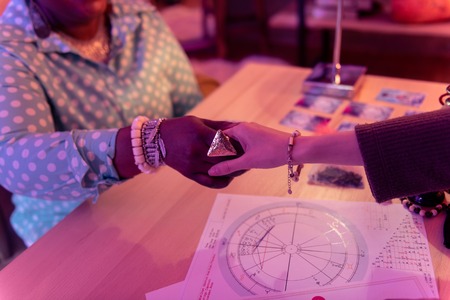

Understanding Vastu Shastra: Ancient Wisdom for Modern Indian Homes
Vastu Shastra, often referred to as the ‘science of architecture,’ is an ancient Indian tradition that guides the design and layout of homes, ensuring a harmonious balance between humans and their environment. Rooted in centuries-old scriptures, Vastu is more than just a set of construction rules—it holds deep spiritual significance for families across India. At its core, Vastu seeks to align homes with natural forces such as sunlight, wind direction, and the five elements (earth, water, fire, air, and space), fostering positivity, health, and prosperity.
For generations, Indian families have relied on Vastu principles to create spaces that nurture collective well-being and peace. Whether in bustling metro cities or quiet rural villages, many households turn to Vastu not only for individual benefits but also for strengthening family bonds and community ties. The belief is that when a home is built or arranged according to Vastu guidelines, it becomes a vessel for good energy (Shubh Urja) and guards against negativity (Dosh).
Today, as modern lifestyles evolve and living spaces become more compact, the wisdom of Vastu Shastra continues to offer practical remedies that are both rooted in tradition and adaptable to contemporary Indian homes. By understanding the basic concepts of Vastu and its importance in our culture, families can make informed choices to enhance harmony within their living spaces.
2. Common Vastu Doshas: Identifying Family-Wide Imbalances
Understanding Vastu doshas (defects) is essential for every Indian family striving for harmony and collective prosperity. These doshas arise when certain Vastu principles are not followed in the design, layout, or placement of objects and rooms within the home. Such imbalances can affect not only individual members but also disrupt the overall energy, peace, and relationships among all family members. In this section, we will explore the most frequent Vastu doshas encountered by Indian families, how to spot these imbalances, and their possible impacts on family dynamics.
Typical Vastu Doshas in Indian Homes
| Vastu Dosha | How to Identify | Potential Impact on Family |
|---|---|---|
| Main entrance in the wrong direction (South/West) | Main door faces South or West instead of North/East | Frequent conflicts, financial instability, lack of opportunities |
| Kitchen placed in North-East corner | Cooking area located in North-East sector | Health issues, stress among women, strained relationships |
| Brahmasthan blockage (center cluttered) | Heavy furniture or objects placed at house center | Lack of unity, stagnation in progress for all members |
| Toilets in North-East or South-West corners | Bathrooms/WCs found in these critical zones | Poor health, financial losses, relationship misunderstandings |
| Bedroom in South-East corner | Master bedroom situated in Agni (fire) corner | Increased quarrels between couples, disturbed sleep patterns |
| Pooja room facing South or under staircase | Pooja space faces South or is placed beneath stairs | Lack of mental peace, reduced spiritual well-being for all |
How to Spot Vastu Imbalances at Home
- Observe family patterns: Recurring arguments, unexplained illnesses, or constant setbacks may indicate a deeper Vastu imbalance.
- Check room placements: Compare your home’s layout with traditional Vastu guidelines—note locations of kitchen, bathrooms, bedrooms, and pooja room.
- Notice energy flow: Areas that feel heavy or less inviting could point to blocked Brahmasthan or negative energy accumulations.
- Use a compass: Identify directions accurately before assessing if entrances and key rooms align with auspicious sides per Vastu Shastra.
The Collective Impact on Family Relationships & Well-Being
A single Vastu dosha can ripple across the entire household. For instance, an incorrectly positioned main entrance may lead to repeated disagreements among siblings and parents. Similarly, blocked Brahmasthan tends to create emotional distance and lack of understanding within the joint family system so valued in Indian culture. Recognizing these common defects early allows families to address root causes rather than just symptoms—creating a path for holistic remedies that restore harmony and shared prosperity.

3. Simple Vastu Remedies for All Family Members
Vastu Shastra offers practical solutions that can be easily adopted by every member of the family, regardless of age or background. These remedies are deeply rooted in Indian tradition and do not require major renovations or high expenses. By following these simple tips, families can collectively enhance harmony and positivity within their homes.
Daily Practices to Attract Positive Energy
Encourage every family member to start the day with a prayer or positive affirmation facing east. Lighting a diya (lamp) in the morning and evening in the pooja room or living area invites auspiciousness and peace. Keeping the main entrance clean and decorated with rangoli or toran is a traditional way to welcome prosperity and ward off negativity.
Placement Tips for Home Harmony
Proper placement of household items according to Vastu can benefit all. Ensure that beds are positioned so heads face south while sleeping, which promotes restful sleep and health. Dining together facing east or north fosters unity and good relationships. Place mirrors on north or east walls to attract abundance, but avoid them in bedrooms to maintain calmness.
Easy Home Adjustments Everyone Can Do
Declutter regularly, as clutter blocks energy flow; involve all family members in tidying up shared spaces. Use light shades like white, yellow, or light green for walls to create a peaceful ambiance. Position plants like tulsi (holy basil) near entrances for protection and air purification—a practice cherished in Indian households. Ensure water elements such as aquariums or fountains are placed in the northeast direction for wealth and wellbeing.
Involve the Whole Family
Make Vastu a collective activity by assigning small tasks: children can help water plants, elders may guide daily rituals, and adults can oversee cleanliness and decor placements. This involvement not only strengthens Vastu benefits but also nurtures family bonds through shared traditions.
4. Sacred Indian Traditions and Rituals for Home Positivity
Indian homes have always been sanctuaries where ancient rituals and sacred traditions are woven into daily life to ensure peace, prosperity, and unity. According to Vastu Shastra, the use of poojas (ritual worship), yantras (mystical diagrams), mantras (sacred chants), and other spiritual practices not only purifies the home but also strengthens the collective harmony among family members. Lets explore some timeless Indian traditions that bring positivity to every corner of your house.
Poojas: Daily Worship for Collective Energy
Performing daily or weekly poojas is a cherished practice in Indian families. These ceremonies, often held in a dedicated prayer room or altar, invoke divine blessings and create a peaceful atmosphere. A simple diya lighting ceremony in the morning or evening, accompanied by incense and flowers, helps centre the familys intentions and fosters togetherness.
Popular Poojas & Their Vastu Benefits
| Pooja | Purpose | Vastu Benefit |
|---|---|---|
| Lakshmi Pooja | Invoking wealth & abundance | Enhances financial stability & prosperity in the North-East corner |
| Sathyanarayana Pooja | Seeking family unity & wellbeing | Promotes harmony and removes obstacles from the living area |
| Ganesh Pooja | Removing negativity & hurdles | Cleanses entrance area; ensures smooth beginnings |
Yantras: Harnessing Positive Energies through Sacred Geometry
Yantras are geometric diagrams believed to attract specific energies when placed correctly as per Vastu. For instance, placing a Shri Yantra in the puja room or living space is thought to multiply abundance and spiritual growth for all residents. Always consult local priests or Vastu consultants for correct placement according to your homes layout.
Mantras: Uniting Family Vibrations with Sound Energy
The chanting of mantras—whether individually or as a family—creates strong positive vibrations within the household. Reciting simple Sanskrit mantras like “Om Namah Shivaya” or “Gayatri Mantra” collectively at sunrise or sunset can help align the minds and hearts of all family members while harmonising the home environment.
Suggested Mantras for Family Harmony
| Mantra Name | Sanskrit Chant | Main Benefit (Vastu Relevance) |
|---|---|---|
| Gayatri Mantra | Om Bhur Bhuvah Swaha… | Spiritual upliftment; strengthens East direction energy |
| Mahamrityunjaya Mantra | Om Tryambakam Yajamahe… | Protection against negative influences; purifies South-West sector |
| Sarve Bhavantu Sukhinah | Sarve Bhavantu Sukhinah… | Universal well-being; fosters unity throughout the home |
Other Rituals: Kolam/Rangoli & Dhoop Daan for Daily Positivity
Apart from poojas, many South Indian families draw colourful kolams or rangolis at their doorsteps each morning to invite positive energy and ward off evil. Burning dhoop (herbal incense) in different rooms not only purifies air but also uplifts mood and brings mental clarity, aligning perfectly with Vastu principles of maintaining elemental balance.
Cultural Note:
These sacred traditions are best performed with genuine devotion and family participation. By incorporating these time-honoured rituals into your daily routine, you create a living environment that radiates joy, unity, and prosperity as envisioned by Vastu Shastra.
5. Collective Family Involvement: Strengthening Bonds through Vastu
Building Unity through Shared Vastu Practices
In Indian homes, the spirit of togetherness is at the heart of every tradition. Applying Vastu principles as a family not only invites positive energies but also strengthens the sense of unity and belonging among all members. Collective involvement ensures that everyone’s intentions are aligned towards creating a harmonious living space.
Encouraging Family-Wide Participation
Start by gathering the entire family to discuss the importance of Vastu and how it can benefit your home. Make these conversations inclusive—listen to children’s ideas, involve elders’ wisdom, and encourage each person to share their expectations for a peaceful household. When everyone’s voice is heard, the remedies implemented become more meaningful and effective.
Collaborative Cleaning and Decluttering
One practical way to involve the whole family is through collaborative cleaning routines. Set aside specific days—like Saturdays or festival eves—for joint decluttering sessions. Assign simple tasks based on age and ability: children can organize their toys, while adults handle main rooms. According to Vastu Shastra, a clutter-free home allows positive energy (prana) to flow freely, so working together on this amplifies its benefits.
Shared Daily Routines for Harmony
Create daily or weekly rituals that follow Vastu guidelines, such as lighting a diya in the northeast corner or offering water to Tulsi plants together every morning. Performing these small acts as a family fosters discipline, collective intention, and a shared sense of purpose. Over time, these traditions become cherished family moments that infuse your home with warmth and auspiciousness.
Festivals & Auspicious Days: Opportunities for Collective Action
Special occasions like Diwali, Gudi Padwa, or Pongal offer ideal opportunities for families to embrace Vastu remedies together. During these times, you can collectively decorate entrances with rangoli or torans, perform group pujas in the designated pooja room, or rearrange furniture according to directional guidance from elders or Vastu experts.
The Power of Intentions and Positive Energy
Remember, Vastu is not just about physical arrangements—it’s about nurturing positive intentions. When families come together with a shared vision for peace and prosperity, they create a powerful energetic field within their home. Encourage everyone to participate with an open heart; even small contributions add up to create lasting harmony rooted in both tradition and togetherness.
6. Regional Variations: Customising Vastu to Indian Diversity
India’s vast cultural landscape means that Vastu remedies and traditions are not applied in a one-size-fits-all manner. Instead, each region – North, South, East, and West – has developed unique interpretations and practices rooted in local beliefs, climate, geography, and available materials. Understanding these regional differences is essential for families seeking collective harmony while respecting their heritage.
North India: Harmonising with the Himalayas and Plains
In North Indian states like Uttar Pradesh, Punjab, and Rajasthan, Vastu practices often reflect the region’s climate and social customs. For example, courtyards (aangan) are common in homes, providing ventilation and communal space. North-facing entrances are generally preferred for prosperity as per regional beliefs. Red bricks and marble flooring are widely used due to local availability. In joint families, puja rooms are usually centrally located, encouraging collective prayers and rituals.
South India: Embracing Tradition with Dravidian Touch
Southern states such as Tamil Nadu, Karnataka, Andhra Pradesh, and Kerala have deeply embedded Vastu traditions influenced by Dravidian temple architecture. The “Agraharam” layout – long streets of homes with temple access – is still found in many towns. Granite is a popular construction material. Tulasi madams (sacred basil altars) at the entrance are considered auspicious for family health. Water bodies or wells in the northeast corner (Eeshanya) are favoured for attracting positive energy as per South Indian Vastu Shastra.
East India: Balancing Elements with Nature’s Bounty
In West Bengal, Odisha, Assam, and other eastern states, Vastu is practised with adaptations suited to monsoon weather and lush landscapes. Bamboo and laterite stones are used in construction for better humidity control. Open verandas (uthan) serve as family gathering areas. The main entrance is often placed in the east to welcome the rising sun – a practice rooted in local traditions like Chhath Puja. Tulsi plants are also commonly grown near the entrance for spiritual well-being.
West India: Integrating Modernity with Heritage
Maharashtra, Gujarat, and Goa showcase a blend of traditional Vastu with contemporary lifestyles. Courtyards (wada style) remain central to large family homes, fostering togetherness. Decorative torans made from mango leaves adorn doors to invite prosperity. In Gujarati homes, kitchen placement in the southeast (Agni corner) aligns with both Vastu principles and traditional cooking habits. Use of locally sourced stone or terracotta tiles reflects ecological sensitivity.
Context-Specific Remedies for Family Harmony
While core Vastu guidelines remain consistent across India—such as maintaining cleanliness and ensuring good air flow—regional adaptation ensures relevance and practicality for each household. Families should consult local Vastu experts (Vastushastra Acharyas or Sthapathis) who understand indigenous customs and can provide tailored solutions that resonate with ancestral traditions while supporting modern living.
Key Takeaway
The diversity of India enriches Vastu remedies for whole-family harmony. By respecting regional variations—from Himalayan influences up north to Dravidian roots down south—families can create homes that nurture unity and positive energy while honouring their unique cultural legacy.